Responsive Web Design Techniques
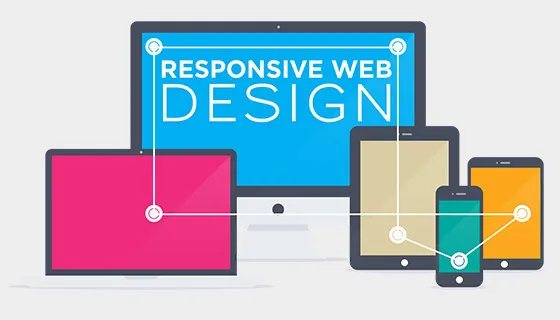
Responsive web design (RWD) is a crucial approach for creating websites that provide an optimal viewing experience across a wide range of devices, from desktops to tablets and smartphones. The core techniques of RWD include fluid layouts, which use relative units like percentages instead of fixed units such as pixels, allowing elements to scale proportionally with the screen size. Media queries are used to apply different styles based on conditions like screen width, height, or orientation, enabling layouts to adapt at specific breakpoints. Flexible images are another essential technique, ensuring that images resize correctly within their containers to avoid breaking the layout on smaller screens. The viewport meta tag is critical for controlling the display on mobile devices, ensuring content fits the screen without the need for zooming. Responsive typography, achieved through relative units like em or rem, adjusts font sizes for better readability on varying screen sizes. Adopting a mobile-first design approach, where the mobile version is designed first and progressively enhanced for larger screens, helps prioritize the needs of mobile users. Additionally, CSS layout techniques like Grid and Flexbox provide flexible and dynamic ways to create complex, responsive layouts that adjust seamlessly. By leveraging these techniques, developers can ensure their websites are both user-friendly and accessible, enhancing the experience across all devices...